Troubleshooting
Every post you share could be exposing you to unseen risks—from identity theft to workplace discrimination. These 10 dangers of oversharing on social media reveal how your online habits may be silently compromising your privacy and security.
Identity Theft Through Location Tags
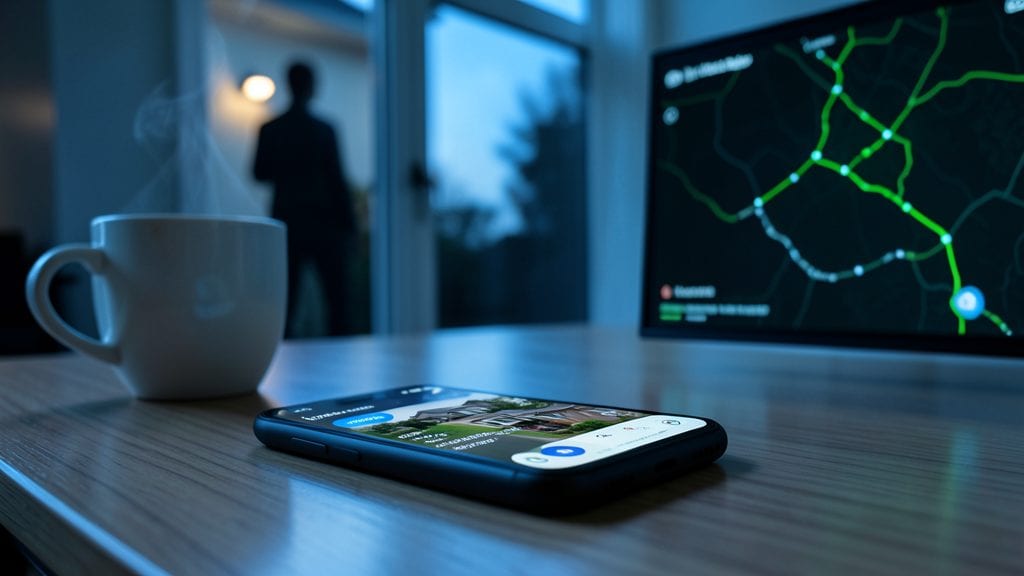
Your smartphone’s real-time location tags—like check-ins, geotagged photos, or "home" status updates—might seem harmless, but they’re a goldmine for criminals. Burglars and stalkers monitor these signals to identify when you’re alone, allowing them to strike during off-hours when neighbors aren’t around.
Platforms like Facebook, Instagram, and even fitness trackers automatically share location data unless disabled. A single "I’m heading out for dinner" post can tip off predators about your routine. Worse, some apps default to permanent geotagging, leaving a digital trail even after you delete the post. Criminals cross-reference this with public records to plan attacks with surgical precision.
This risk isn’t theoretical—cases of targeted home invasions linked to oversharing have surged in urban areas. If you’re active on social media, take two minutes to disable location services for apps you don’t need and review old posts for accidental geotags. 💡
Workplace Discrimination From Job Posts
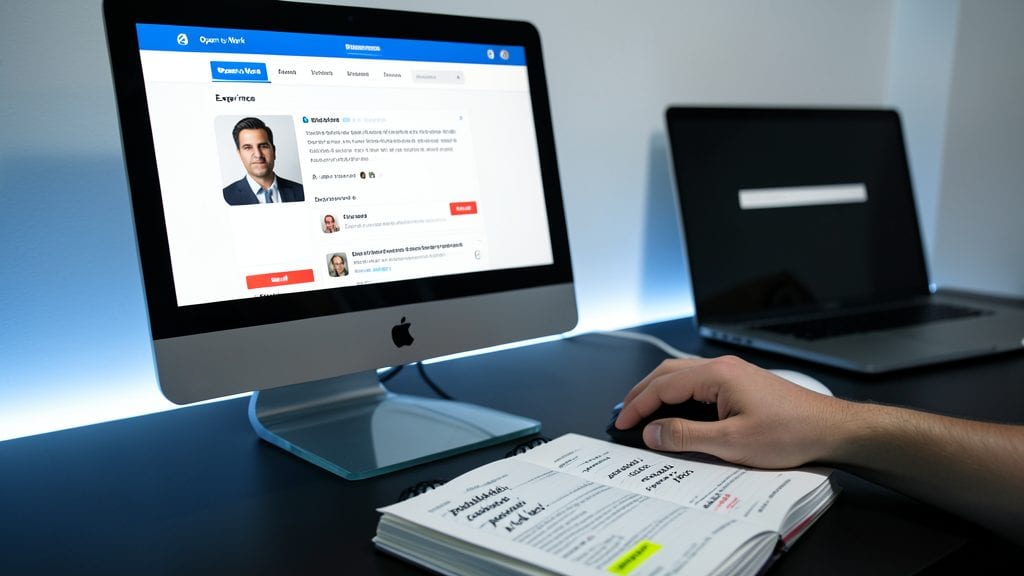
Your LinkedIn profile isn’t just a resume—it’s a real-time background check that hiring managers use to disqualify candidates before interviews. A single controversial post from years ago can derail your career, even if you’ve grown since then.
Recruiters often search for keywords like "political activism," "religious views," or even "unprofessional humor" to filter applicants. Platforms like LinkedIn, Twitter/X, and Facebook are scanned using AI-driven screening tools, which flag content that conflicts with company values. One study found that 60% of employers have rejected candidates based on social media posts.
This risk isn’t just for entry-level roles—executives and senior professionals face scrutiny too. If you’re job hunting, audit your profiles for outdated content and adjust privacy settings to limit exposure. A quick cleanup could save you from career setbacks. 💻
Phishing Attacks Using Personal Details
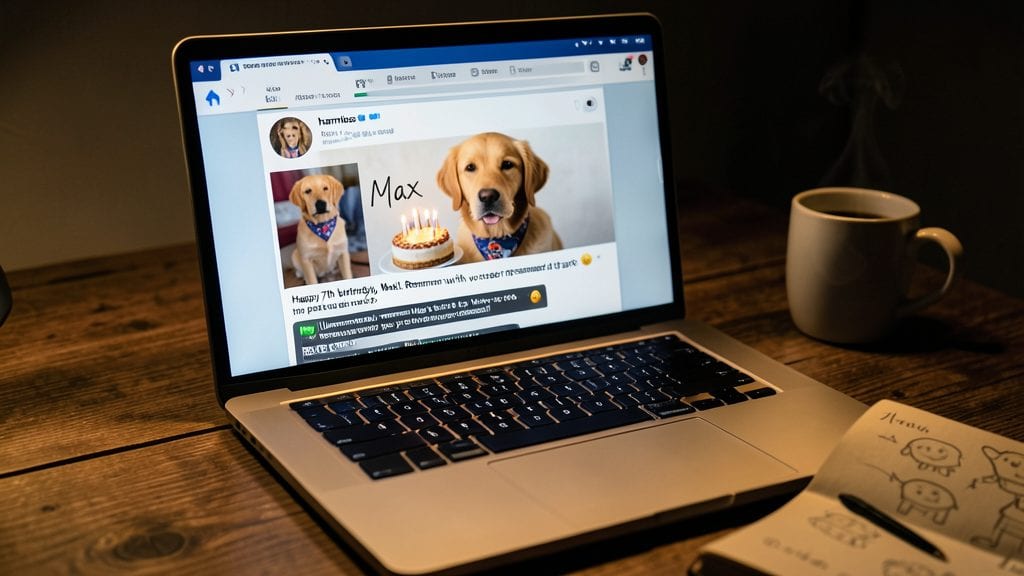
That "harmless" birthday post or inside joke about your dog’s name might seem like small talk—but cybercriminals use it as golden bait for hyper-targeted phishing attacks. Unlike generic scams, these messages reference your pet’s name, your child’s school, or even a private joke from years ago, making them far harder for spam filters to detect.
Attackers often impersonate trusted contacts (like a "colleague in urgent need") or pose as service providers (e.g., "Your bank detected suspicious activity"). By weaving in personal details from your profile, they bypass security checks and trick you into clicking malicious links or revealing login credentials. A 2023 study found that 68% of users fall for these scams when the message includes a familiar name or reference.
This tactic is especially dangerous for professionals who share work-related details (like project names) or parents who post about their kids’ activities. Always verify unexpected requests—even if they feel personal. 💡
Insurance Fraud From Oversharing Habits
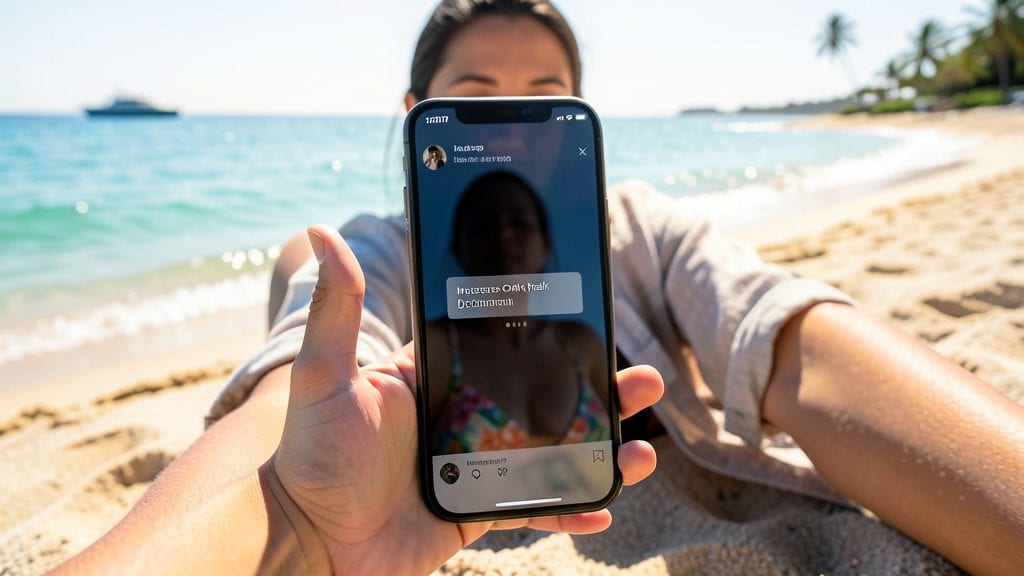
That beachside selfie might seem harmless, but insurers now actively monitor social media to detect suspicious activity patterns—like posting from a "vacation" when your home insurance claim suggests you were burglarized. One study found 30% of denied claims involved posts that contradicted policyholder statements.
Travel insurance policies often include clauses voiding coverage if you share real-time location updates while abroad. Even a simple "Home alone for the weekend!" post can trigger red flags for homeowners' insurance, especially if a break-in occurs shortly after. Many insurers now use AI-powered tools to cross-reference claims with public posts.
If you’re a frequent traveler or homeowner, this risk hits hardest—but even casual posters should think twice. A quick privacy audit (limiting location tags, delaying posts) could save you thousands in denied claims. ✨
Blackmail And Sextortion Risks
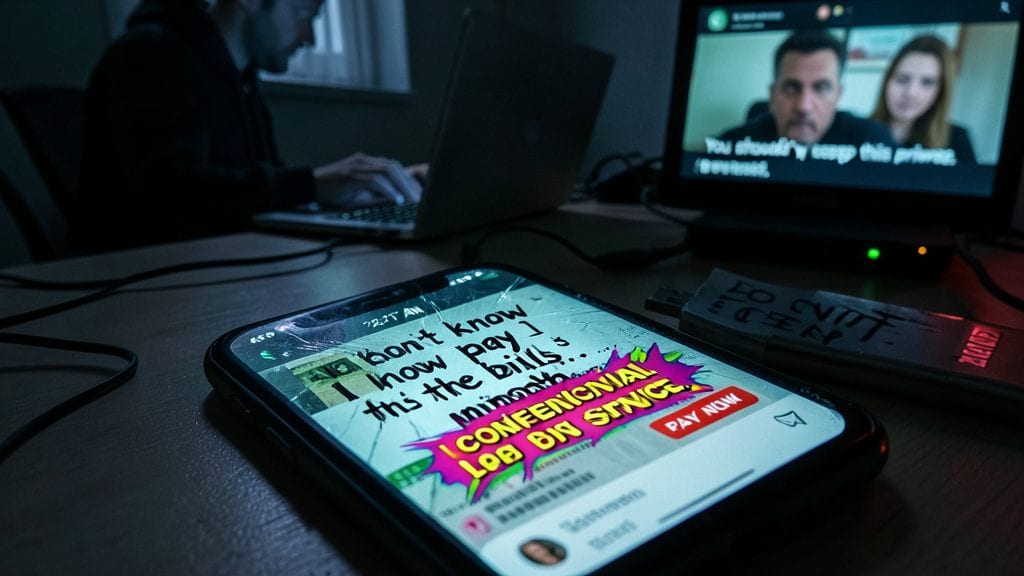
That heartfelt post about your breakup or financial stress might seem cathartic—but cyberstalkers are scanning for emotional vulnerabilities. A single overshare can become leverage for blackmail demands or sextortion schemes, where criminals threaten to expose private content unless you pay.
These attacks often start with public emotional posts (e.g., "I’m so lonely" or "My relationship is failing") that predators use to build trust before escalating. The FBI reports sextortion cases rose 150% in 2023, with victims often targeted within 24 hours of oversharing. Even "private" messages can be intercepted if sent to the wrong audience.
Anyone sharing personal struggles is at risk, but divorced individuals, young adults, and public figures face higher exposure. Limit audience tags, avoid real-time location sharing, and use end-to-end encrypted apps for sensitive discussions. 💡
Financial Scams Through Lifestyle Posts

A single gym selfie or a post about your new luxury watch might seem harmless—but scammers use these as proof of success to lure you into fake investment schemes. Fraudsters comb social media for visual cues of wealth or influence, then reach out as "business partners" or "high-net-worth investors" offering exclusive deals.
These scams often start with DMs or LinkedIn messages claiming to connect you with "limited-time opportunities." One real-world example involved a fake crypto "mentorship" program targeting fitness influencers who posted about their earnings. The scammers even used screenshots of your own posts to build credibility, making victims hesitate to report the fraud.
Small business owners and freelancers are prime targets—scammers assume they’re desperate for growth. Always verify opportunities through official channels before sharing financial details. ⚡
Social Engineering Through Family Posts
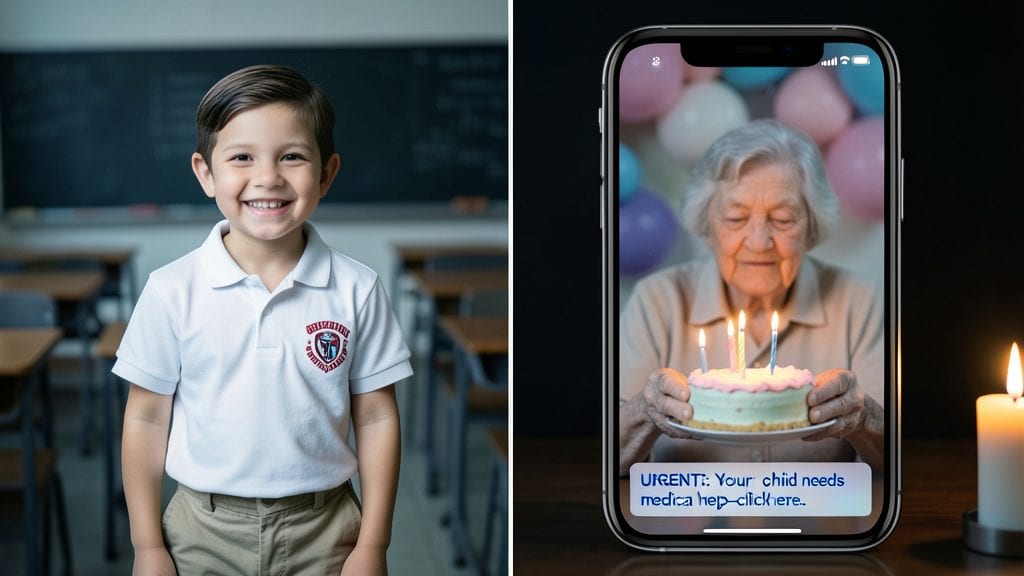
That adorable school photo of your child—or your aging parent’s birthday celebration—could be the perfect bait for scammers. Criminals don’t just steal data; they exploit your emotional triggers to manipulate you into risky actions, like sending money or sharing sensitive info.
Scammers use impersonation calls (posing as a school official, doctor, or emergency contact) to pressure you into urgent decisions. They’ll reference specific details from your posts—like a pet’s name or a grandchild’s school—to make their lies feel real. Even seemingly harmless updates about family vacations or medical struggles can be weaponized.
Parents, caregivers, and pet owners are especially vulnerable. Before posting, ask: Could this help a scammer trick me? Limit details, avoid real-time location tags, and never share unfiltered family moments publicly. 💪
Algorithmic Discrimination In AI Systems
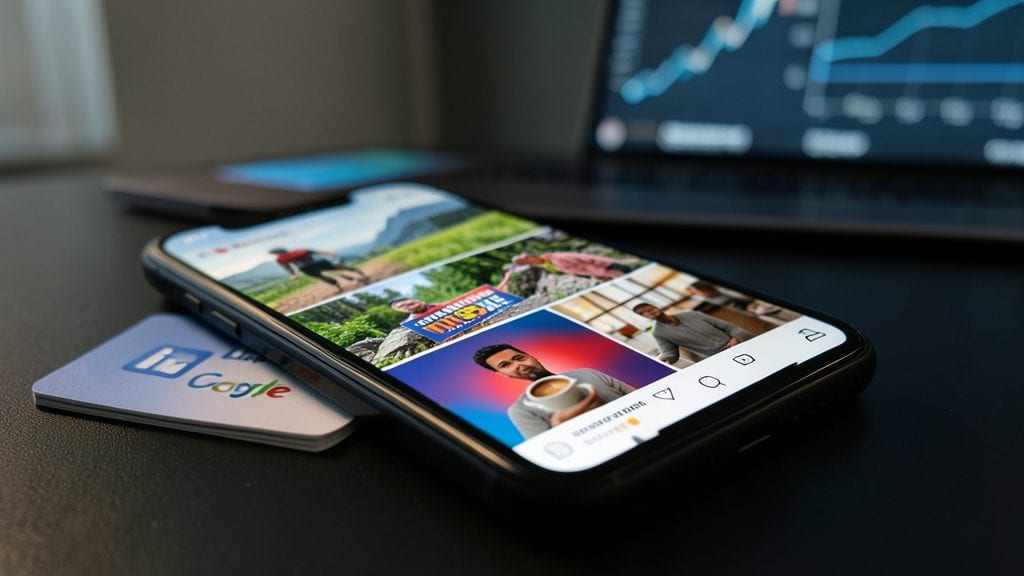
Your casual posts about hobbies, politics, or even your favorite brands might be silently training AI systems to discriminate against you. Companies like Facebook, LinkedIn, and Google use your social media data to feed predictive algorithms that decide loan approvals, rental applications, and even job interviews—often without your knowledge.
These systems analyze patterns in your posts to assign risk scores that can unfairly label you as unreliable or high-risk. For example, a 2019 study found that AI hiring tools favored resumes with "white-sounding" names, while others used geographic data from check-ins to deny loans in certain neighborhoods. Even medical services aren’t immune—some insurers use social media to adjust premiums based on perceived lifestyle risks.
If you’re applying for mortgages, jobs, or healthcare, your digital footprint could be working against you. A simple audit of your privacy settings and a pause before posting sensitive content might just level the playing field. ✨
Legal Consequences From Sensitive Content
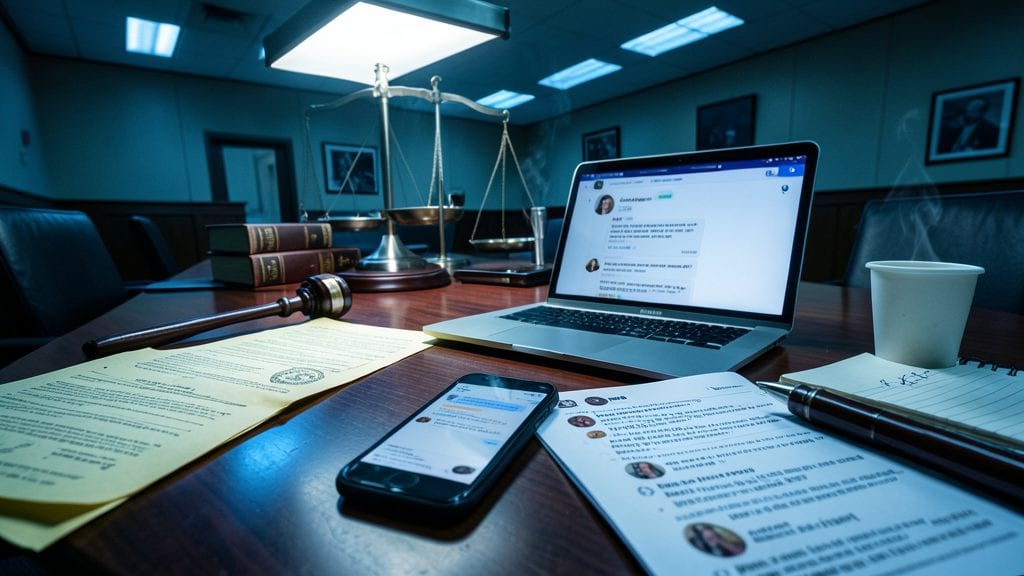
That courtroom subpoena might just be a DM away—your social media posts could become admissible evidence in legal disputes. From medical conditions to workplace conflicts, what you share online might be scrutinized in ways you never imagined.
Courts have ruled that private messages, old posts, and even deleted content can be used against you in civil or criminal cases. For example, a 2019 case saw a man’s Facebook posts about his chronic pain used to challenge his disability claim. Meanwhile, workplace disputes often hinge on screenshots of internal messages or public complaints. Even legal troubles—like traffic violations or lawsuits—can be amplified by oversharing.
If you discuss health issues, legal battles, or office drama, assume it’s permanent. Lawyers and opponents may dig through your digital footprint, turning casual posts into damaging evidence. Always ask: Would I want this in court? 💻
Emotional Manipulation Through Public Struggles

When you post about personal struggles—breakups, health scares, or financial stress—you’re not just venting to friends. You’re creating a psychological profile that predators, influencers, and even algorithms can exploit to manipulate you into compliance, attention, or even financial dependence.
Platforms like Instagram and TikTok amplify this risk by pushing emotional content to wider audiences, where groomers or attention-seeking influencers may respond with fake empathy. Studies show that 73% of victims of online emotional manipulation first exposed vulnerabilities through public posts. Even "supportive" comments can be a tactic to build trust before exploitation.
If you’re someone who shares personal struggles for validation, start by limiting audience visibility to trusted contacts only. A simple privacy audit—like checking who can see your posts—can reduce exposure to the wrong eyes. 💡